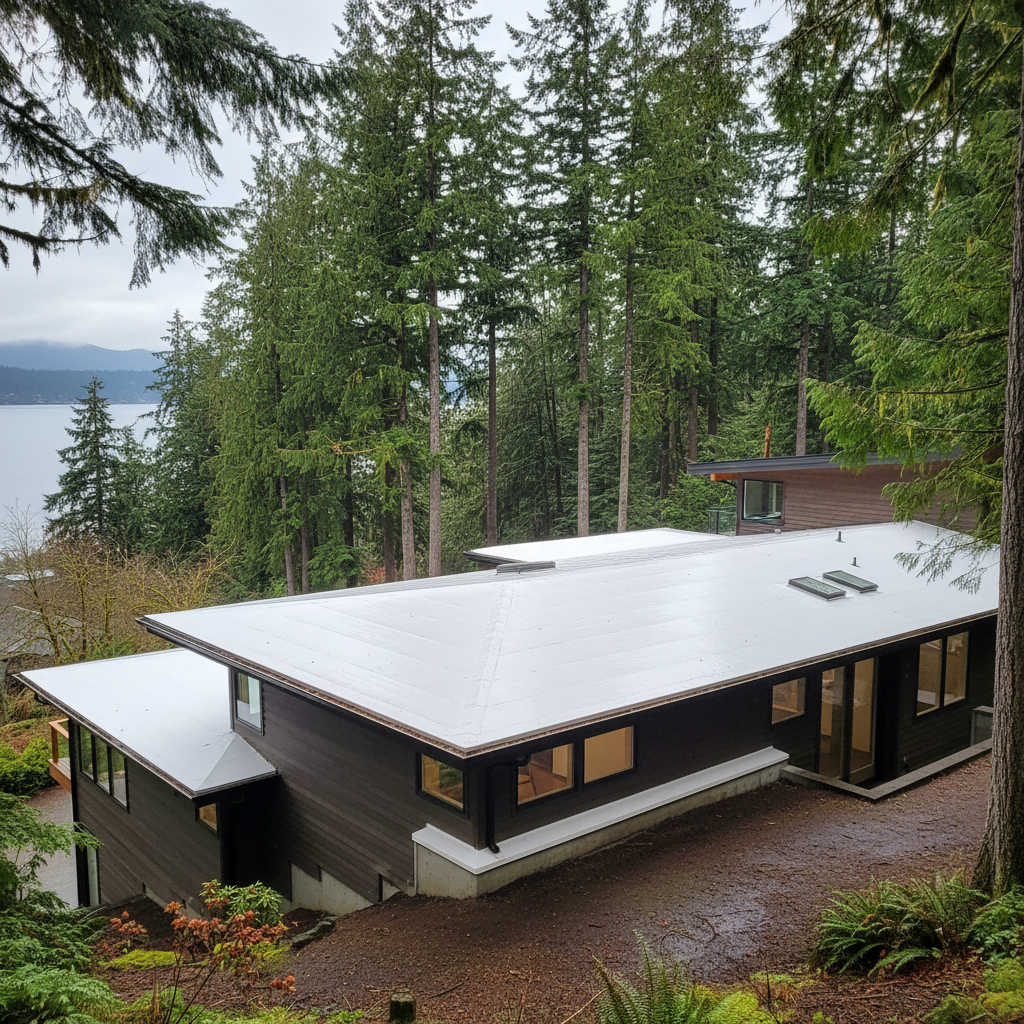
Thinking about TPO for your commercial building here on Mercer Island, or already have it? Good choice. TPO (Thermoplastic Polyolefin) is a solid, durable option for flat or low-slope commercial roofs. But like any roofing material, it's not set-it-and-forget-it, especially with our Pacific Northwest weather. You've got to understand how our seasons impact it, when to schedule work, and what to look out for.
Timing Your TPO Installation or Major Repairs
When's the best time to put down a new TPO roof or do significant repairs? Honestly, it's a tight window around here. TPO needs dry conditions for proper adhesion. You can't be installing it in the rain, obviously, but you also need a dry substrate. That means late spring through early fall is your sweet spot. Think June, July, August, maybe early September if we're lucky. That's when we get those longer stretches of dry, warmer weather that are ideal for TPO work.
Trying to do a full TPO re-roof in November? Not happening. The constant drizzle, the dampness that gets into everything – it's just not conducive to a quality, long-lasting installation. You'll end up with adhesion issues, potential moisture trapped underneath, and a whole host of problems down the line. So, plan ahead. If you know you're going to need a new TPO roof or a big repair, get on our schedule early in the year for a summer slot. We book up fast for those prime months.
Weather Conditions That Affect TPO Work
Beyond just rain, a few other weather factors play a big role. Temperature is a huge one. TPO membranes are heat-welded at the seams. That welding process needs a certain ambient temperature to work correctly. If it's too cold, the material doesn't weld as effectively, and you risk weak seams. We're talking above 40-45 degrees Fahrenheit, consistently. High humidity can also be a pain, even without direct rain, as it can affect how primers and adhesives cure.
Wind is another factor. You're working with large, flexible sheets of material. A strong gust can make installation a nightmare, not to mention a safety hazard. We're always keeping an eye on the forecast, not just for rain, but for temperature and wind speeds too. Sometimes, we have to reschedule a day's work because the wind is just too high to safely and effectively install TPO, especially on taller buildings or those exposed to the waterfront breezes near the East Channel.
Protecting Your TPO Investment Year-Round
Once your TPO roof is down, you want it to last, right? Here's how to protect that investment:
- Regular Inspections: I can't stress this enough. You should be getting your TPO roof inspected at least twice a year – once in the fall before the heavy rains start, and again in the spring after winter has done its worst. We're looking for punctures, tears, seam separations, and any signs of ponding water.
- Keep it Clean: Debris accumulation is a killer for TPO. Leaves, branches, dirt – they hold moisture against the membrane, leading to degradation. They can also clog drains, causing ponding. Make sure your roof is cleared of debris regularly, especially after a storm.
- Address Ponding Water Immediately: TPO is designed to be waterproof, but standing water for extended periods is bad news. It accelerates wear, can lead to algae growth, and puts extra stress on the roof structure. If you see water pooling for more than 48 hours after a rain, you've got a drainage issue that needs fixing.
- Watch for Foot Traffic Damage: If you have HVAC units or other equipment on your roof, limit foot traffic. Every time someone walks on the roof, there's a chance of dropping something sharp or scuffing the membrane. If regular access is needed, consider installing walk pads.
- Trim Overhanging Branches: This is a big one around here with all our beautiful trees. Branches rubbing against the TPO can abrade it over time. Falling branches can puncture it. Keep those trees trimmed back from your roofline.
Look, TPO is a fantastic roofing solution for commercial properties. It's durable, energy-efficient, and relatively low maintenance compared to some other options. But 'low maintenance' doesn't mean 'no maintenance.' A little proactive care and understanding of our local climate goes a long way in extending the life of your roof and avoiding costly emergency repairs down the road. If you've got questions about your TPO roof or need an inspection, give Paradise Roofing Solutions a call. We're here to help you keep your commercial property protected.