Patching vs. Section Replacement: What's the Real Difference?
You've got a leak, or maybe you've noticed some damaged shingles after a nasty windstorm – happens all the time here in the Pacific Northwest. Your first thought might be, "Can't we just patch it up?" And sometimes, yes, you can. But often, what looks like a simple fix can be a band-aid on a bigger problem. As a contractor who's seen it all over the years on Mercer Island, I want to talk straight about two main approaches to roof repair: patching individual spots versus replacing a whole section or slope.
The Quick Fix: Spot Patching
When we talk about patching, we're usually looking at replacing a few damaged shingles, sealing a small crack, or re-securing a loose flashing. It's the least invasive and, initially, the cheapest option.
Cost
This is where patching shines, at least upfront. You're paying for minimal materials and labor. If it's just a couple of shingles blown off, it's a relatively quick job for a skilled roofer. We're talking hundreds, maybe low thousands, depending on access and the extent of the very localized damage.
Durability
Here's the rub. Patching is only as durable as the surrounding roof. If your roof is 15-20 years old, those new shingles we put in might last, but the ones next to them are still old, brittle, and susceptible to the next big storm. You might fix one leak only to have another pop up a few feet away next year. It's like putting a new tire on a car with three bald ones – it helps, but you're not solving the core issue.
Maintenance
You'll likely be calling us back for more patches. It's a cyclical thing. Old roofs just keep giving you little headaches. You're maintaining a failing system, not a healthy one.
Appearance
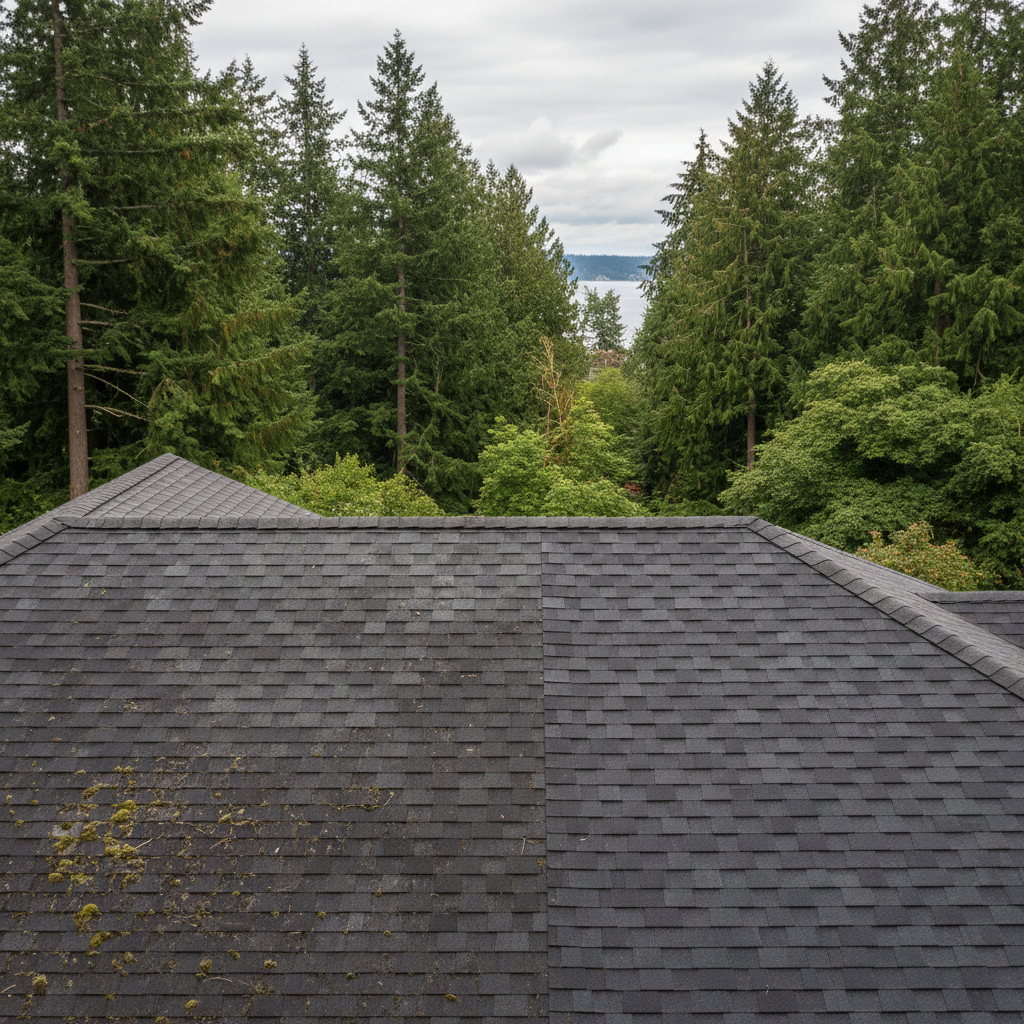
Unless your roof is fairly new, those new shingles are probably going to stand out. They won't have the same weathering, moss, or fading as the rest of your roof. It's not a huge deal for everyone, but if curb appeal matters to you, it'll be noticeable. Especially on some of the older, well-maintained homes in the Faben Point area, a mismatched patch can really stick out.
The More Substantial Fix: Section Replacement
Section replacement means we're taking off all the roofing material from a specific area – maybe a single slope, a dormer, or a large section where damage is widespread. We'll inspect the decking underneath, make any necessary repairs, and then install brand new underlayment and shingles.
Cost
Naturally, this is going to cost more than a patch. You're paying for more materials, more labor, and potentially some structural work if the decking is compromised. This could be several thousands of dollars, but it's a significant investment that pays off in the long run.
Durability
This is where you get your money's worth. A new section means new, robust materials designed to withstand our wet, windy climate. You're getting a fresh start for that part of your roof, which will likely last another 20-30 years, matching the lifespan of a full replacement.
Maintenance
Significantly reduced. With a new section, you're not going to be worrying about leaks or failing shingles in that area for a very long time. It integrates better with the existing roof's overall health, even if the rest of the roof is older.
Appearance
It's going to look a lot better. While there might still be a slight difference between the new section and the older parts of the roof, it's a much more seamless repair than a small patch. The new shingles will weather over time and blend in more effectively.
My Recommendation for Mercer Island Homeowners
Look, if your roof is relatively new (under 10-12 years old) and the damage is truly isolated – a single tree branch fell, or one shingle just didn't seal right – then a patch is probably the way to go. It's cost-effective and will do the job.
However, if your roof is getting up there in age (15+ years), or if you're seeing multiple areas of damage, widespread granule loss, or consistent leaks, then you really need to consider section replacement. Here's why:
- WA Weather: Our constant rain, freeze-thaw cycles, and high winds are brutal on aging roofs. A patch on an old roof is often just delaying the inevitable.
- Underlying Issues: Often, what looks like a small problem on the surface is a symptom of a larger issue with the underlayment or decking, especially with all the moisture we get. Section replacement lets us address those hidden problems.
- Long-Term Value: While more expensive upfront, a section replacement offers far superior durability and peace of mind. You're investing in a solution that will last, rather than throwing money at recurring problems.
At Paradise Roofing Solutions, we always give you an honest assessment. We'll inspect your roof thoroughly and tell you if a patch is truly viable or if you're better off investing in a more durable section replacement. Sometimes, a full roof replacement is the only smart move, but we'll explore all your options first. Don't just fix the symptom; let's fix the problem.