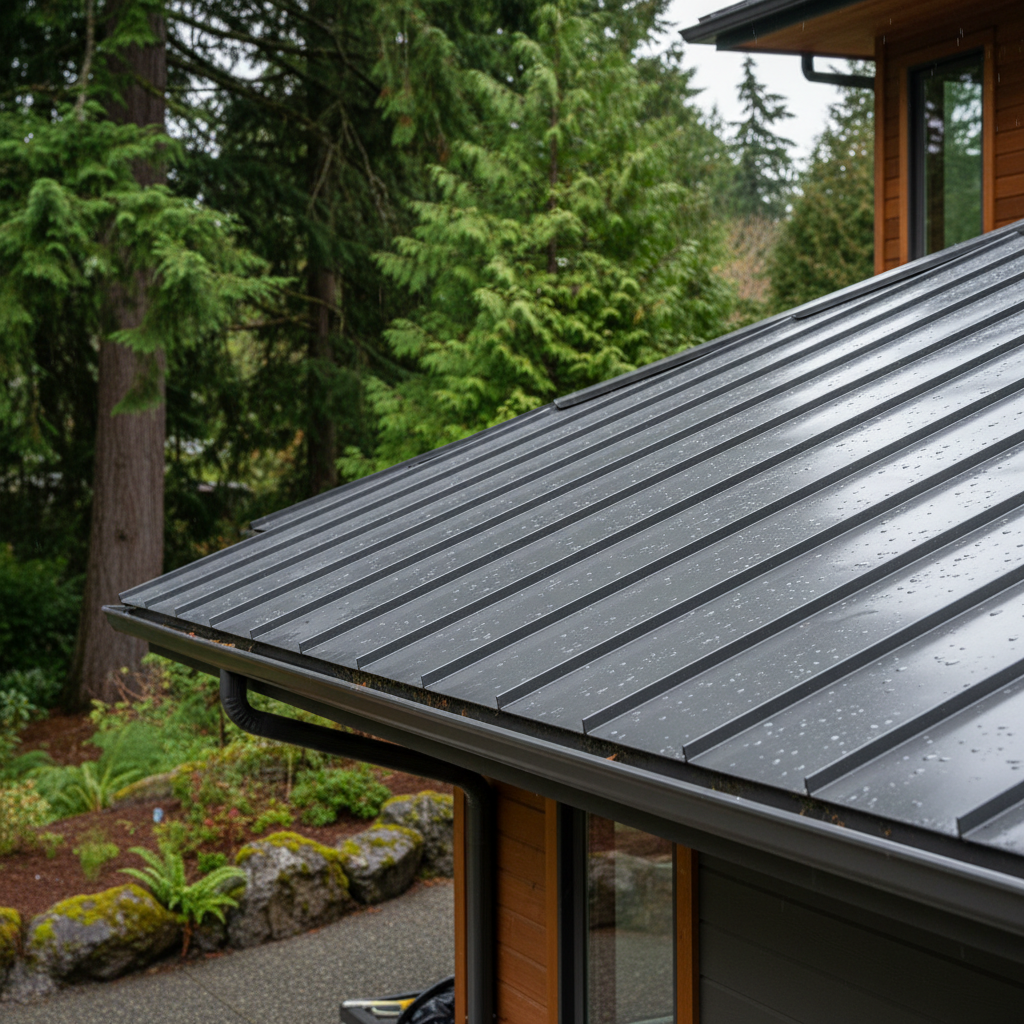
Is a metal roof really worth the upfront cost?
This is probably the first thing most folks ask me, and it’s a fair question. Yeah, metal roofs typically cost more to install than asphalt shingles, sometimes a good bit more. You’re looking at anywhere from 2 to 3 times the initial price tag. But here’s the deal: that upfront cost is usually spread out over a much longer lifespan. An asphalt shingle roof might last you 15-25 years here on Mercer Island, especially with our wet winters and the occasional windstorm. A properly installed metal roof? You’re talking 40, 50, even 60 years. When you break down the cost per year, metal often comes out ahead. You’re paying more now to avoid replacing your roof multiple times down the line. Plus, there’s the energy efficiency aspect, which can save you a little on your utility bills over time, especially if you go with lighter colors that reflect more sunlight.
Will a metal roof look out of place on my Mercer Island home?
Not at all, and this is a common misconception. When people think 'metal roof,' they often picture a shiny, industrial-looking barn roof. That’s just not the case anymore. Modern metal roofing comes in a huge variety of styles, colors, and finishes. You can get standing seam panels that give a sleek, contemporary look, or you can choose metal shingles or tiles that are designed to mimic the appearance of traditional asphalt, wood shake, or even slate. I’ve installed metal roofs on everything from classic mid-century homes in the Faben Point area to brand new builds overlooking Lake Washington, and they always look sharp. The key is picking the right profile and color to complement your home’s architecture.
How noisy is a metal roof when it rains?
Another big one I hear, and it’s a valid concern, especially with how much rain we get around here. The truth is, a metal roof on its own can be a bit louder than other materials during a heavy downpour. However, most residential metal roofs aren’t just a thin sheet of metal over open rafters. They’re installed over a solid substrate, like plywood decking, and often have insulation underneath. This significantly dampens the sound. If your attic is well-insulated, you’ll barely notice the rain more than you would with an asphalt roof. It’s not like living inside a drum. In fact, some people even find the gentle pitter-patter quite soothing. It’s definitely not the deal-breaker many imagine it to be.
Are metal roofs prone to denting from hail or falling branches?
This depends a lot on the gauge (thickness) of the metal and the type of metal roofing system you choose. Thinner, cheaper panels might be more susceptible to denting from significant impacts. However, most quality residential metal roofs, especially standing seam or metal shingles, are incredibly durable. They’re designed to withstand pretty harsh weather. We don’t get a lot of massive hail here on Mercer Island, but wind-blown debris or falling branches are a definite possibility, especially with all the mature trees. A good metal roof system can take a beating and often just shrugs it off. If a really heavy branch does cause a localized dent, individual panels can often be replaced without tearing off the whole roof, which is a nice advantage.
What kind of maintenance does a metal roof need?
This is where metal roofs really shine. They are incredibly low maintenance. Unlike asphalt shingles that can grow moss and algae in our damp climate, metal roofs are much less hospitable to such growth. You won’t need to worry about granules washing away or shingles curling. Generally, I tell homeowners to just keep an eye on their gutters and make sure they’re clear of leaves and debris, especially after a storm. A quick rinse with a garden hose once a year can help keep it looking clean, especially if you have a lot of trees dropping pollen or sap. That’s about it. No special treatments, no regular repairs needed unless there’s actual damage. It’s one of the big reasons people choose them – set it and forget it, mostly.
How does a metal roof handle snow and ice?
Our snowfalls on Mercer Island aren't usually heavy enough to cause structural concerns for most roofs, but when we do get a decent dump, ice dams can be an issue with any roofing material. Metal roofs are actually quite good with snow. Their smooth, slick surface means snow tends to slide off rather than accumulate, which can be a good thing for reducing weight load. However, this also means you need to be mindful of where that snow is going to land. If you have walkways, driveways, or landscaping directly below, you might want to consider snow guards to control the release. As for ice dams, proper attic ventilation and insulation are key, regardless of your roofing material. A well-ventilated attic keeps the roof deck cold, preventing snow from melting and refreezing at the eaves. We can certainly discuss these options when you talk to Paradise Roofing Solutions about your specific home.