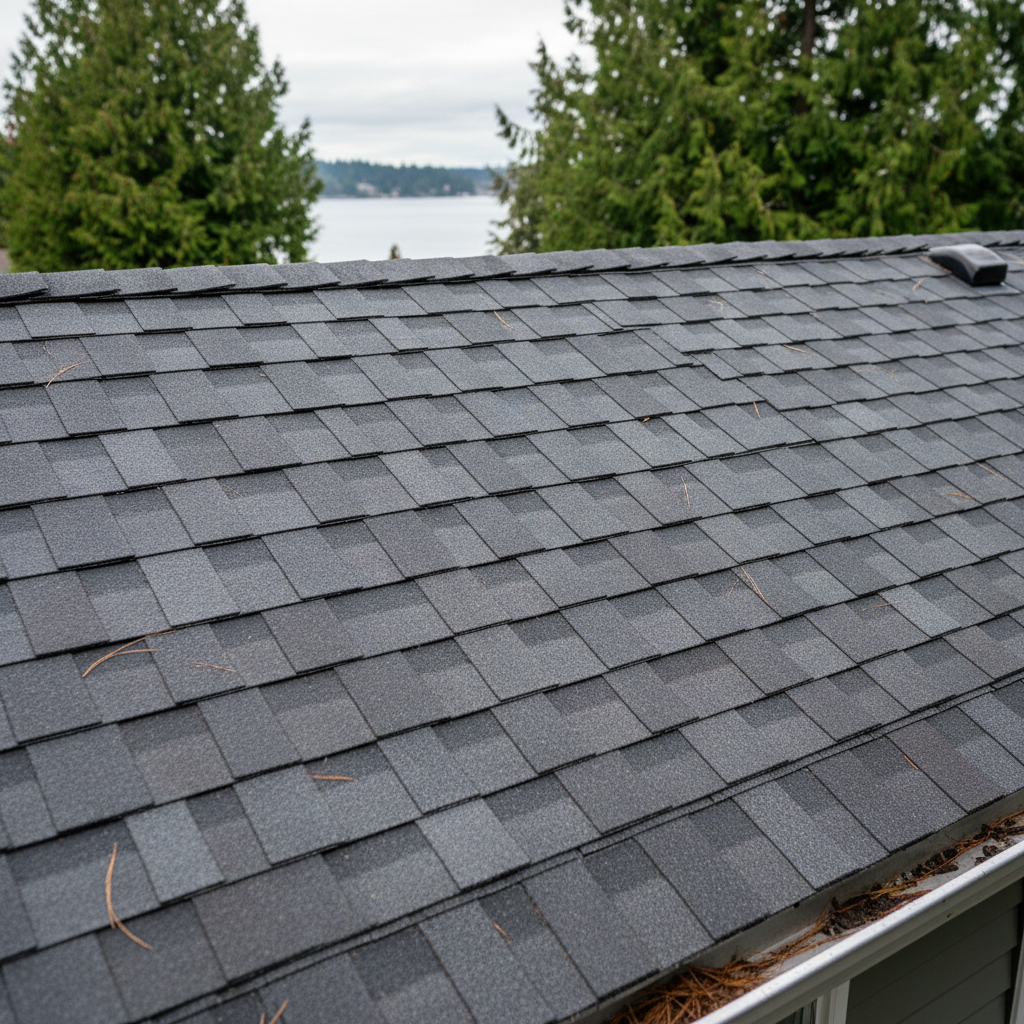
Alright, let's talk about your roof. It's probably the most important protective layer on your house, and honestly, most folks don't give it a second thought until there's a problem. But a little proactive checking can save you a whole lot of headache and money down the line. You don't need to be a roofing expert to do some basic inspections, but you do need to know your limits. This isn't about turning you into a full-blown roofer; it's about empowering you to spot potential issues before they become disasters.
Before You Even Think About Looking Up
Safety first, always. I can't stress this enough. If you're not comfortable on a ladder, or if your roof is steep, wet, or just plain old, stay on the ground. Seriously. A pair of binoculars is your best friend here. A good, sturdy ladder is essential if you plan to get up there, and make sure someone knows you're doing it. Also, pick a clear, dry day. Trying to inspect a wet roof in the Mercer Island drizzle is just asking for trouble, and you won't see much anyway.
Think about what you're trying to achieve. Are you just doing a general seasonal check, or did you notice a specific issue, like a drip inside? Knowing your goal helps you focus. Gather your tools: binoculars, a notepad, a camera or phone for pictures, and maybe a small flashlight for attic checks. If you're going on the roof, wear soft-soled shoes for grip and to avoid damaging shingles.
What You Can Do From the Ground (or a Ladder's Edge)
This is where most homeowners should start, and often, it's all you really need to do for routine checks. Grab those binoculars and walk around your house. Look for:
- Missing or Damaged Shingles: Are there any bald spots where granules are gone? Are shingles curled, cracked, or buckling? Sometimes, after a good windstorm, you'll see a few shingles lifted or even missing entirely.
- Granule Loss: Look in your gutters. A small amount of shingle granules is normal over time, but if your gutters are full of them, it's a sign your roof is aging fast.
- Flashing Issues: This is the metal around chimneys, skylights, and vents. It's crucial for preventing leaks. Look for rust, bends, or gaps where the sealant might have failed.
- Sagging Areas: Is any part of your roof dipping or bowing? This can indicate structural problems, often related to water damage or inadequate support.
- Debris Buildup: Leaves, branches, pine needles – especially common if you're surrounded by those beautiful old growth trees we have around here, particularly in areas like The Highlands. This stuff traps moisture and can lead to rot or moss growth. Clear it out of your gutters, too.
- Moss and Algae: A little bit isn't always an emergency, but heavy moss holds moisture against your shingles and can shorten your roof's life. It's a common issue in our damp Pacific Northwest climate.
When It's Time to Get on the Roof (Carefully!)
If you're comfortable and your roof isn't too steep, a closer look can be beneficial. Again, safety first. Never go alone if you're not confident. Once you're up there, you can:
- Gently Check Shingle Adhesion: Lightly try to lift the edge of a shingle. If it's loose or brittle, that's a red flag.
- Inspect Vent Pipes and Boots: The rubber seals around vent pipes can crack and deteriorate over time, creating a prime leak spot.
- Examine Skylights: Look for cracks in the glass or frame, and check the flashing around them for any signs of wear or separation.
- Look for Nail Pops: Sometimes, nails can back out of the decking, pushing up the shingle above them. This creates a small, vulnerable spot.
- Check for Soft Spots: As you walk (carefully!) on the roof, do you feel any spongy areas? That's a strong indicator of water damage to the underlying decking.
Don't Forget the Attic!
This is an often-overlooked part of a roof inspection, but it's vital. Head up into your attic with a flashlight. Look for:
- Water Stains or Drips: Any discoloration on the underside of your roof decking or rafters is a clear sign of a leak.
- Mold or Mildew: This indicates moisture problems, which could be from a roof leak or poor ventilation.
- Daylight: If you see shafts of light coming through your roof, you've got holes. Simple as that.
- Proper Ventilation: Is your attic well-ventilated? Poor ventilation can lead to heat buildup in summer and moisture issues in winter, both of which shorten your roof's lifespan.
After Your Inspection: What's Next?
So, you've done your checks. What did you find? If it's just a few leaves in the gutter, great! Clean 'em out. If you've got some minor moss, you can probably handle that yourself with a gentle roof cleaner. But if you've spotted significant damage – missing shingles, widespread granule loss, major flashing issues, or any signs of leaks in the attic – that's when you need to call in a professional. Don't try to patch a major leak yourself; you could make it worse or miss the underlying cause.
Take all those photos you snapped and your notes. This information is super helpful for any roofing contractor you bring in. When you call someone like Paradise Roofing Solutions, we can use your observations to get a head start on diagnosing the problem. We've got the experience and the right equipment to safely and thoroughly assess your roof, identify hidden issues, and give you an honest opinion on repairs or replacement. Regular inspections, whether DIY or professional, are key to keeping your Mercer Island home dry and protected for years to come.